




Meeting new people online is normal now, especially when travelling. But being friendly online does not mean you need to hand over your entire personal life to someone you have just met. A little privacy awareness can prevent plenty of headaches later. Start With the Minimum During an early conversation, share only information that is […]
Meeting new people online is normal now, especially when travelling. But being friendly online does not mean you need to hand over your entire personal life to someone you have just met.
A little privacy awareness can prevent plenty of headaches later.
Start With the Minimum
During an early conversation, share only information that is necessary.
You can talk about:
- Your hobbies
- Favourite food
- Travel plans in general
- Music
- Places you enjoy
- General interests
You do not need to share your home address, passport details, banking information or private work documents.
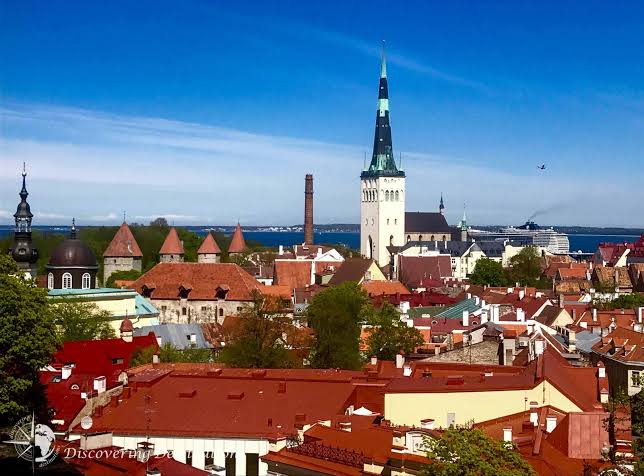
For example, “I am visiting Tallinn this week” is enough. There is no reason to send a photograph of your passport to prove it.
Be Careful With Photos
Photographs can reveal more information than people realise.
A picture may accidentally show:
- Your hotel name
- Room number
- Boarding pass
- Home address
- Work identification
- Vehicle registration
- Personal documents
Before sending a photograph, quickly look at the background.
That five second check can save you trouble.
Protect Your Accounts
Use strong, unique passwords for important accounts and enable two factor authentication where available.
Do not give anyone:
- Passwords
- Verification codes
- Banking PINs
- Recovery codes
- Security answers
If someone says they need a verification code “just to confirm something,” stop.
Those codes are often designed specifically to protect your account.
Be Careful With Links and Files
Even when you trust someone, do not automatically open every attachment or download every file they send.

If something looks unusual, ask what it is first.
The same goes for unfamiliar websites requesting personal information.
Keep Your Location Private
Real time location sharing can create unnecessary risk.
There is a difference between saying:
“I am staying near the Old Town.”
and:
“This is my exact hotel room and here is my live location.”
The first is normal conversation. The second is unnecessary information for someone you barely know.
Use Privacy Settings
Review the privacy settings on your social accounts.
Check who can see:
- Your photographs
- Friends list
- Workplace
- Phone number
- Email address
- Location information
You may discover that your profile reveals much more than you expected.
Recognise Pressure Tactics
Be cautious when someone demands personal information quickly.
Warning signs include:
- “Send me your ID now.”
- “Give me your account details.”
- “Why don’t you trust me?”
- “You have to prove you are serious.”
- “Don’t tell anyone about our conversation.”
Healthy social connections do not require secret passwords or financial access.
Meet Safely Offline
When you eventually meet, choose a public location.
Tell a trusted person where you are going and arrange your own route home.
The goal is not to treat every stranger as dangerous. It is simply to avoid giving a stranger more information than they need.
Keep Privacy Practical
Privacy is not about becoming antisocial.
It is about controlling what information you share and when you share it.
A good rule is:
Share interests early. Share sensitive information slowly.
You can be warm, friendly and open while still protecting your personal details.
That balance is particularly useful when meeting people in a new country where you may not yet understand the local environment or social circles.